.jpg)
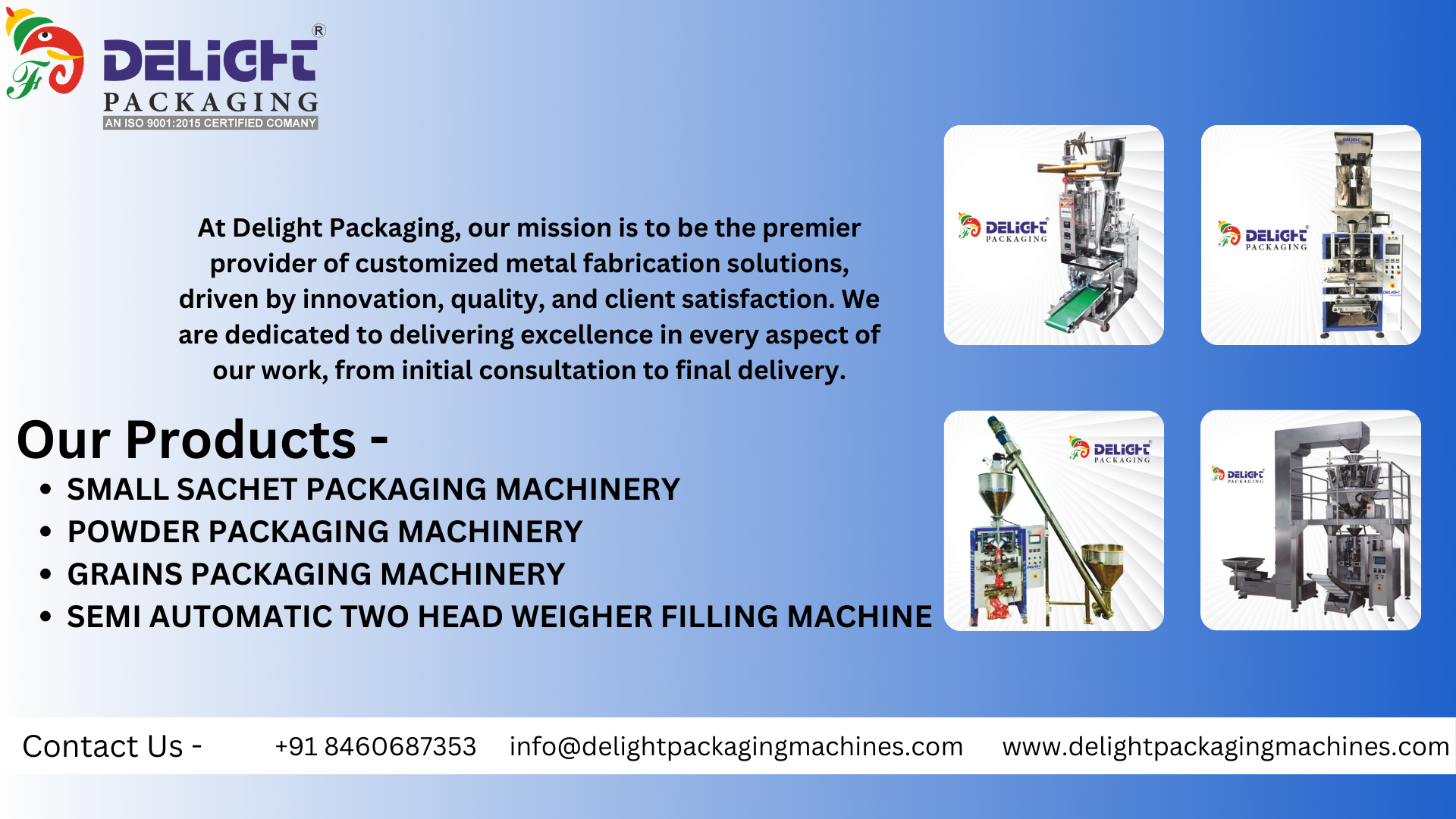
Automatic Pouch Packing Machine
Introduction
Looking to automate consistent, retail-ready packaging? An Automatic Pouch Packing Machine forms, fills, and seals pouches with minimal operator intervention, delivering accurate weights, strong seals, and clean pack appearance. Systems support powders, granules, liquids, and pastes with tool-less changeovers and recipe control for rapid SKU switching. Integrations—printers, labelers, checkweighers, and nitrogen kits—streamline compliance and shelf-life goals. For formats, dosing options, and validation pointers, skim our practical automation overview before shortlisting models.
Working Principle and Process Flow of Automatic Pouch Packing Machine
From a film roll, web tracking guides material to a forming set, creating the pouch. Product is metered by auger, volumetric cups, weighers, or piston fillers. Heated jaws seal longitudinal and transverse edges while coders print batch/date. A cutter separates packs; conveyors transfer them to QA stations. Premade bag platforms index, open, fill, and seal zipper or stand-up pouches. See a typical control architecture and peripheral handshakes on our solutions page.
Types of Automatic Pouch Packing Machine
- VFFS continuous-motion — high speed for powders/granules; compact footprint suits 24×7 snack and staples lines.
- HFFS stand-up pouch — premium shapes, accurate registration, and strong gusset seals for retail aesthetics.
- Premade pouch bagger — quick format swaps; ideal for zipper, Doypack, and short-run co-packing operations.
- Multi-lane sachet/stick — parallel lanes maximize throughput for single-serve sachets without extending line length.
- Liquid/paste fillers — piston or gear pumps, drip-free nozzles, reinforced seals for viscous products and sauces.
Key Features and Specifications of Automatic Pouch Packing Machine
- ±0.5–1.0% dosing accuracy via servo auger, weighers, cups, or piston modules.
- 20–220 packs/min depending on format, laminate, product rheology, and jaw dwell time.
- SS304/SS316 contact parts, interlocked guards, e-stops, and overload protection for safety.
- PLC-HMI with recipes, auto web tracking, temperature PID, and fault diagnostics.
- Quick-change forming sets, TIJ/CIJ printing, labelers, gas flushing, and checkweighing compatibility.
Applications of Automatic Pouch Packing Machine
- Spices, coffee, premix powders, and nutraceutical blends packed with tight weight control and aroma-retaining laminates for supermarkets, kirana stores, exports, and e-commerce fulfillment, enhancing shelf appeal and freshness.
- Snacks, pulses, rice, confectionery, and pet food dosed accurately, protecting fragile pieces and achieving glossy, wrinkle-free seals at medium to high speeds across multi-shift production environments.
- Liquids and pastes—edible oils, sauces, shampoos, and detergents—filled using piston or gear pumps with anti-drip nozzles, validated seal strength, and CIP-friendly contact parts to meet hygiene standards.
- Pharma, OTC, and cosmetics sachets produced with batch traceability, metal detection, serialization, and checkweighing to satisfy audits, private-label requirements, and export documentation efficiently.
Benefits of Using Automatic Pouch Packing Machine
- Compelling ROI through reduced giveaway, lower labor dependence, and higher uptime; rugged frames and standardized spares minimize unplanned stoppages and extend useful life across demanding production schedules.
- Excellent pack consistency with PID-controlled sealing, recipe memory, and precise dosing; uniform appearance reduces returns, improves brand trust, and supports premium price positioning in retail channels.
- Rapid changeovers using modular forming sets and tool-less adjustments; operators swap SKUs quickly while maintaining validated weights, seal integrity, and coding compliance across batch sizes.
- Scalable automation with interlocks, HACCP-friendly design, data capture, and rejection systems—meeting safety norms, audit trails, and future throughput expansions without major redesign.
Top Manufacturers and Suppliers in India
India hosts numerous OEMs and integrators offering automatic pouch packing solutions across food, personal care, household, and pharma segments. Typical portfolios include VFFS, HFFS, sachet, and premade pouch platforms with stainless contact parts, PLC-HMI control, printers, labelers, nitrogen flushing, and QA peripherals. Buyers should assess laminate compatibility, dosing accuracy, sealing windows, and service coverage. Many vendors provide application trials, installation, operator training, and annual maintenance contracts. Confirm film width, pouch style, target speeds, and hygiene requirements early so machine configuration aligns with throughput, compliance, and budget expectations.
Maintenance and Safety Tips
- Verify belts, sensors, knives, and heater bands at shift start; log temperatures.
- Wash hoppers and contact parts daily; lubricate bearings using food-grade grease.
- Calibrate fillers weekly; cross-check weights across pouch sizes and densities.
- Train operators on LOTO, hot-jaw hazards, PPE, and emergency stops.
- Maintain critical spares—belts, cutters, jaws, thermocouples, sensors—for quick recovery.
FAQs – Automatic Pouch Packing Machine
Contact Details
Talk to our specialists today for tailored solutions and fast assistance.