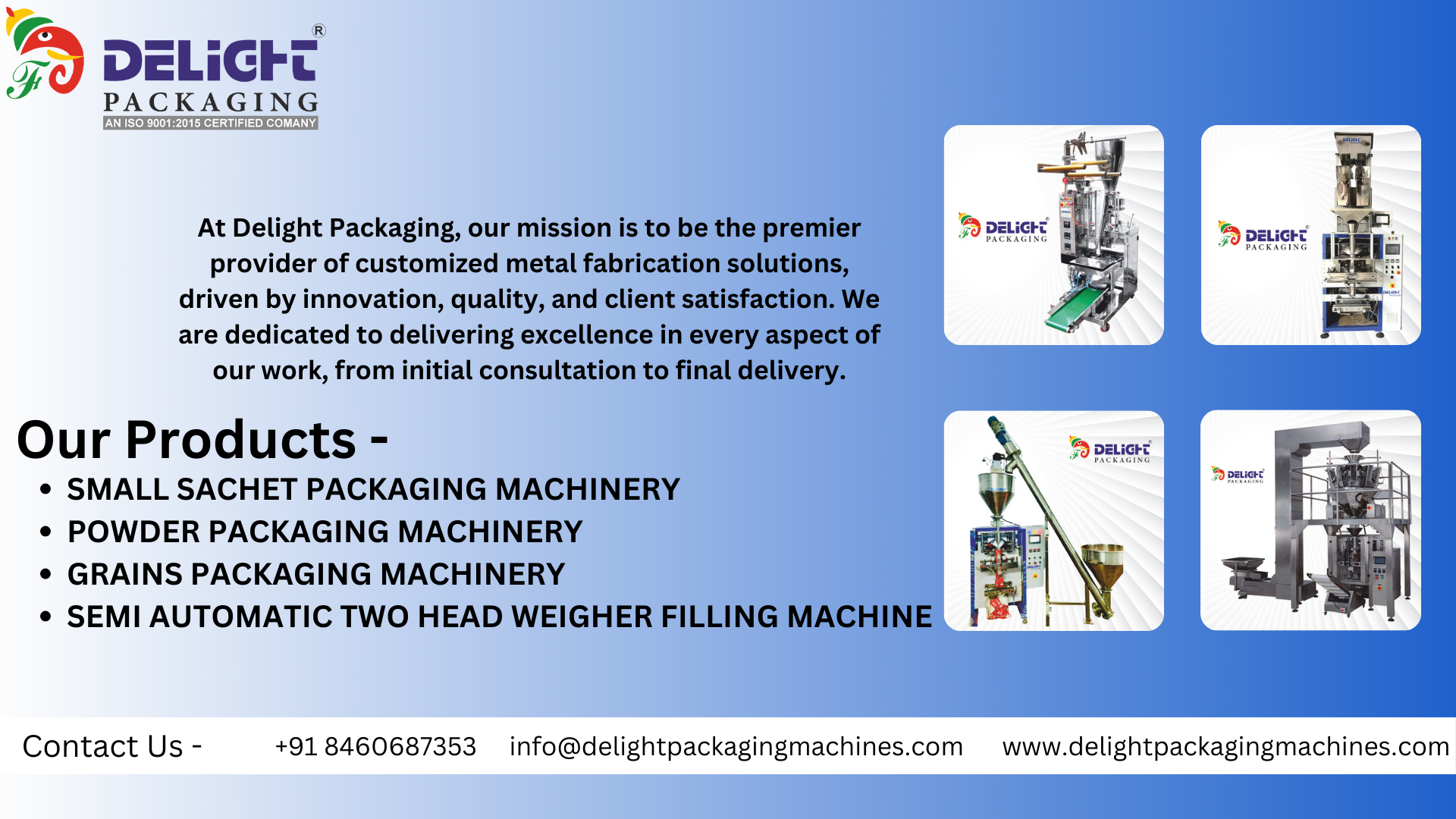
Introduction to Custom and PLC Controlled Pouch Packing Machines
Custom and PLC controlled pouch packing machines combine tailored engineering with smart automation to handle powders, granules, liquids, or solids with accuracy and speed. Using programmable logic controllers, these systems optimize dosing, sealing, and coding while reducing human error and changeover time. Industries choose them for flexible formats, recipe-based operation, and reliable uptime across long shifts. From food and snacks to agrochemicals and pharmaceuticals, they support hygiene, traceability, and consistent output. For more information on integrated packaging solutions, visit our packaging systems overview.
Working Principle and Process Flow of Custom and PLC Controlled Pouch Packing Machines
Material is fed to a measured dosing system, after which film unwinds, forms the pouch, and is sealed longitudinally. PLC logic synchronizes servo drives for pulling, filling, date coding, and final sealing with temperature and jaw pressure control. Sensors verify pouch presence, weight, and seal integrity; rejects are diverted automatically. Recipe screens allow format changes with minimal tools, while alarms capture faults for quick resets. Learn how PLC automation supports multi-format lines on this page.
Types of Custom and PLC Controlled Pouch Packing Machines
- Form-Fill-Seal (VFFS) for powders and snacks; high throughput where continuous vertical sealing is preferred.
- Horizontal FFS (HFFS) for fragile items and premium pouches; excellent product protection and branding panels.
- Multi-head weigher integrated lines for snacks, nuts, and frozen foods; precision weight control at speed.
- Liquid and viscous fillers with servo pistons; CIP-ready contact parts for dairy, sauces, and beverages.
- Rotary pick-fill-seal for pre-made pouches; quick format changeovers and compact footprint for SMEs.
Key Features and Specifications of Custom and PLC Controlled Pouch Packing Machines
- PLC with HMI recipes, alarms, and event logs; supports multiple product formats and user levels.
- Servo-driven film pull and auger/volumetric/combination weighing for consistent accuracy and output.
- Food-grade contact parts with tool-less removal; interlocks and guards for operator safety.
- Temperature-controlled sealing jaws with auto tuning; integrated printers, labelers, and coders.
- Stainless steel frames, low maintenance drives; remote diagnostics and preventive maintenance prompts.
Applications of Custom and PLC Controlled Pouch Packing Machines
- Snack foods, pulses, spices, and flour where portion accuracy, seal strength, and hygiene are essential, enabling extended shelf life and steady retail presentation across supermarkets and e-commerce.
- Liquids like edible oils, juices, sauces, and detergents that demand controlled filling, drip prevention, clean seals, and batch coding for traceability in high-volume production environments.
- Pharma and nutraceutical sachets requiring precise dosing, validated temperatures, and serialization readiness to meet regulatory expectations and protect product integrity throughout distribution.
- Agro-inputs such as seeds, fertilizers, and pesticides packaged in moisture-resistant laminates for durability, reduced wastage, easy handling, and optimized logistics costs across regions.
Benefits of Using Custom and PLC Controlled Pouch Packing Machines
- Improves ROI by automating repetitive steps, minimizing over-fill, reducing rework, and maximizing uptime with recipe-based setups tailored to your SKUs and packaging materials.
- Delivers consistent quality through synchronized motion, accurate temperature control, and inline checks, producing uniform pouches that meet retailer specifications and export expectations.
- Saves time with tool-less changeovers, intuitive HMIs, quick format recall, and guided troubleshooting, reducing operator learning curves and shift-to-shift variability.
- Scales safely by adding lanes, fillers, or peripherals while maintaining interlocks, guarding, and audit trails that support compliance and operational visibility.
Top Manufacturers and Suppliers in India
India’s pouch packaging ecosystem includes OEMs specializing in vertical and horizontal FFS, rotary pick-fill-seal, and integrated weighing solutions. Many offer stainless steel frames, servo motion, PLC-HMI controls, and auxiliary equipment like metal detectors, labelers, and printers. Service models typically include commissioning, operator training, spares kits, and preventive maintenance plans. Vendors often support multi-laminate films, zipper or spout options, and custom dosing modules for powders, granules, or liquids. Selection generally depends on throughput needs, pouch formats, hygiene standards, and factory layout, with nationwide support through regional service teams and remote diagnostics.
Maintenance and Safety Tips
- Inspect belts, film paths, and sealing jaws daily; clear product dust and verify sensor cleanliness.
- Lubricate bearings and motion assemblies per schedule; avoid excess grease in food zones.
- Calibrate weighers, augers, and temperature loops weekly; validate test pouches against set tolerances.
- Train operators on guarding, E-stop response, lockout/tagout, and correct HMI recipe selection.
- Maintain critical spares—heaters, thermocouples, belts, and seals—organized and labeled for quick changeovers.
FAQs – Custom and PLC Controlled Pouch Packing Machines
Contact Details
Talk to our specialists today for tailored solutions and fast assistance.