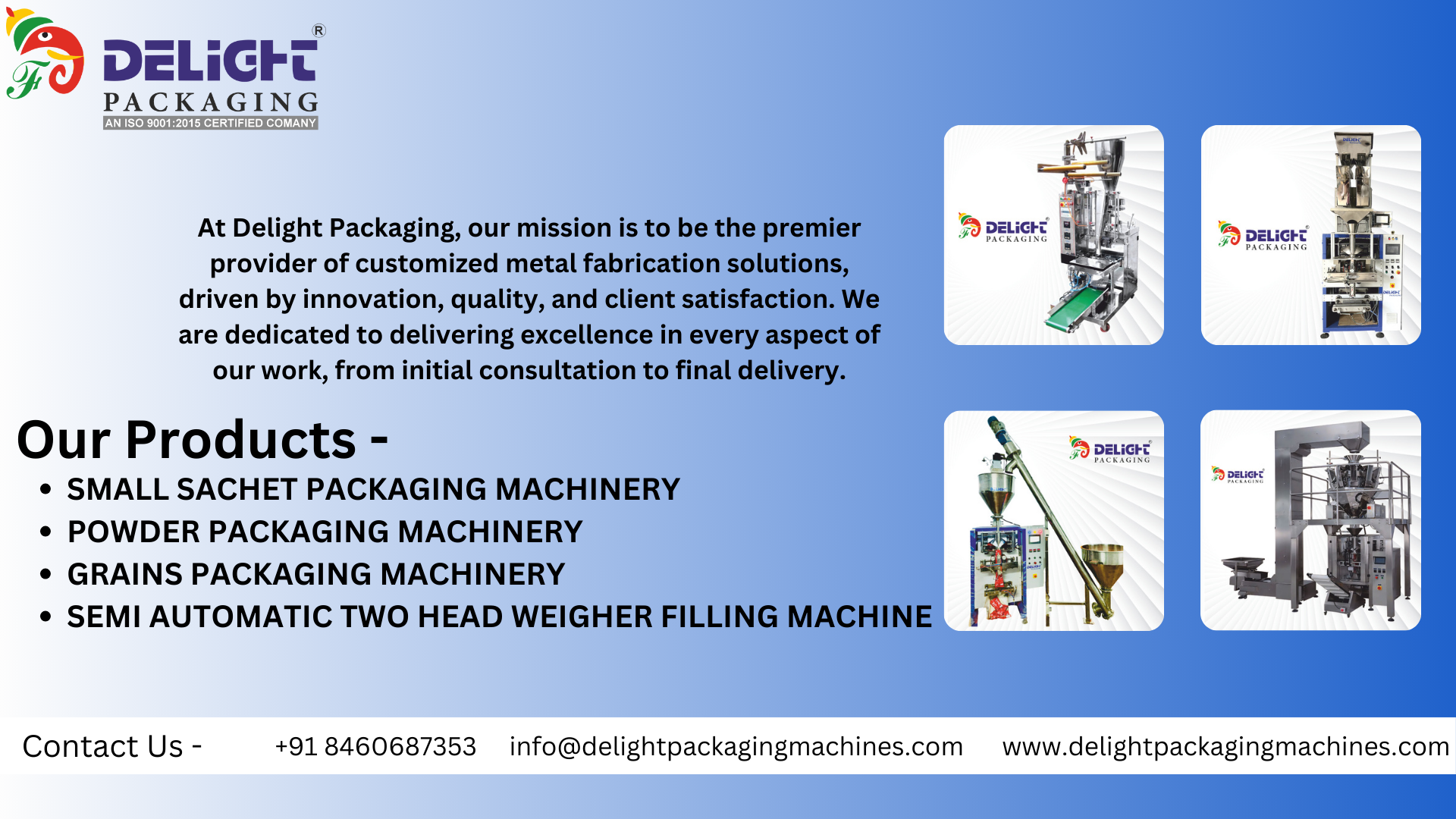
Introduction to Rotary Pouch Packing Machine
A Rotary Pouch Packing Machine automates high-speed filling and sealing of premade pouches for powders, granules, and liquids. Its indexed rotary table presents pouches to multiple stations—pick, open, fill, seal, and discharge—ensuring consistent output with minimal wastage. Servo controls, recipe storage, and hygienic contact parts make it ideal for FMCG, food, chemical, and pharma lines. With compact footprint and change-parts, brands can switch SKUs quickly while maintaining seal integrity and pack aesthetics. For related automation ideas, explore integrated packaging solutions.
Working Principle and Process Flow of Rotary Pouch Packing Machine
Premade pouches are loaded into the magazine and automatically picked by vacuum grippers onto a rotary indexing turret. At successive stations the machine verifies pouch presence, opens the mouth with air, doses product via auger/volumetric/flowmeter filler, dust-cleans the zipper area, heat-seals with temperature-controlled jaws, and then cools and ejects. Synchronised servo drives maintain precise timing across all heads, while sensors reject underweight or unsealed packs. CIP-friendly contact parts speed changeover and compliance. Learn more at automation-ready pouch systems.
Types of Rotary Pouch Packing Machine
- Single-station rotary machines for start-ups targeting up to 20–30 PPM with basic fillers and easy operation.
- Multi-station eight-index models for 40–60 PPM throughput where uptime and seal consistency are critical.
- Powder-oriented variants with auger fillers, dust collection, and screw-fed hoppers for free-flow and non-free-flow powders.
- Liquid/viscous models using flowmeter or piston fillers with drip-free nozzles and heated jacket options.
- Zip/stand-up/Doypack compatible machines supporting zipper sealing, euro-hole, nitrogen flushing, and date coding.
Key Features and Specifications of Rotary Pouch Packing Machine
- Throughput up to 20–60 pouches per minute depending on product, pouch size, and filler configuration.
- ±0.5–1.0% dosing accuracy via servo-controlled auger, multi-head weigher, or sanitary flowmeter systems.
- Food-grade SS304/SS316 contact parts, interlocks, and guarded doors meeting hygiene and operator safety norms.
- Recipe-based PLC + HMI control, auto temperature regulation, alarm history, and quick tool-less changeovers.
- Low maintenance with modular stations, readily available spares, and optional remote diagnostics capability.
Applications of Rotary Pouch Packing Machine
- Spices, protein powders, flour mixes, coffee, and nutraceutical blends—consistent dosing, excellent seal strength, and premium shelf presentation in zipper or Doypack pouches.
- Snacks, dry fruits, cereals, seeds, and pet food—fast changeovers for sizes/weights with reliable leak-proofing to preserve crunch, aroma, and product freshness.
- Liquids and viscous products like sauces, edible oils, shampoos, and gels—drip-free filling, clean seals, and compliance with food/cosmetic hygiene standards.
- Chemicals, detergents, fertilizers, and agro inputs—dust-controlled dosing, tamper-evident seals, and robust packaging to reduce transit loss and spillage.
Benefits of Using Rotary Pouch Packing Machine
- Higher ROI through reduced manpower, improved line OEE, and lower film wastage; premium pack aesthetics that elevate brand value on modern retail shelves.
- Precision dosing and uniform sealing minimize rework and consumer complaints, ensuring consistent quality across SKUs and production batches.
- Rapid SKU changeovers with recipe memory shorten downtime, cut labor dependency, and enable short-run, multi-flavor campaigns efficiently.
- Scalable architecture with optional MAP/nitrogen flushing, metal detection, and serialization to meet safety, traceability, and export compliance.
Top Manufacturers and Suppliers in India
India has a mature ecosystem for rotary premade-pouch packaging machines serving food, FMCG, chemicals, and pharma. Vendors typically offer SS304/316 construction, PLC-HMI controls, servo drives, and format-flexible stations for pick, open, fill, seal, and discharge. Common options include zipper sealing, nitrogen flushing, date/inkjet coding, and product-specific fillers such as auger, piston, flowmeter, or multi-head weigher. Reputed suppliers provide installation, operator training, spares kits, and AMC support, with validation documentation for regulated industries. Lead times vary by configuration and customization; most manufacturers support factory acceptance tests and remote diagnostics to maximize uptime and performance.
Maintenance and Safety Tips
- Inspect grippers, vacuum cups, and sensors daily; verify pouch presence and seal jaw cleanliness before startup.
- Clean product contact parts and sealing areas after each shift; lubricate bearings as per OEM schedule.
- Calibrate auger/flowmeter dosing weekly; verify temperature controller accuracy and seal pressure alignment.
- Train operators on lock-out/tag-out, hot-surface hazards, and safe clearing of pouch jams.
- Maintain critical spares—heaters, thermocouples, belts, suction cups—and store change-parts labeled by SKU.
FAQs – Rotary Pouch Packing Machine
Contact Details
Talk to our specialists today for tailored solutions and fast assistance.